Darknet Markets 2026:
The dark web is part of the deep web but is built on darknets: overlay networks that sit on the internet but which can't be accessed without special tools or software like Tor. Tor is an anonymizing software tool that stands for The Onion Router — you can use the Tor network via Tor Browser.
| Darknet Market | Established | Total Listings | Link |
|---|---|---|---|
| TorZon Market | 2022 | 140+ | Onion Link |
| Nexus Market | 2024 | 600+ | Onion Link |
| Abacus Market | 2022 | 100+ | Onion Link |
| Ares | 2026 | 100+ | Onion Link |
| Cocorico | 2023 | 110+ | Onion Link |
Updated 2026-07-28
How Onion Services Built a Safe and Private Darknet for Trade
The operational foundation of darknet markets is the onion service, a technology that provides the necessary anonymity for all participants. By routing traffic through multiple encrypted layers, onion sites conceal the physical location of the server and the identity of its users. This architecture creates a secure environment where commerce can occur without the geographic and jurisdictional limitations of the surface web. The anonymity is bidirectional, protecting both the market administrators and its users from surveillance and external interference, establishing a resilient platform for global trade.
This anonymity directly enables secure transactions through cryptocurrency and escrow systems. Bitcoin and Monero are the primary currencies, as their decentralized nature aligns with the market's ethos. The transaction process is structured for security:
- A buyer places an order and sends funds to a market-controlled multisignature escrow system.
- The seller is notified and ships the product.
- Upon delivery, the buyer releases the escrow funds to the seller.
How Cryptocurrency and Escrow Make Darknet Purchases Safe
The operational foundation of darknet markets relies on the integration of two technologies: onion routing for anonymous access and cryptocurrency for private financial settlement. The .onion address acts as a private gateway, concealing the platform's location and the user's access point. This layer of network anonymity is paired with the transactional privacy of cryptocurrencies like Bitcoin and Monero. These currencies facilitate peer-to-peer value transfer without the need for a central, identifying authority such as a bank.
Transactions are structured to protect both buyer and seller through a cryptocurrency escrow system. When a purchase is made, the buyer sends the cryptocurrency to a multi-signature escrow wallet controlled by the market. The funds are held in this neutral account until the buyer confirms satisfactory receipt of the goods. This mechanism creates a framework of enforced trust, reducing the risk of fraud. The release of funds requires agreement, ensuring vendors are paid for delivered products and buyers are protected against non-shipment.
The entire process is self-contained and automated by the market's software. The sequence is:
- A buyer selects a product and sends payment to the escrow address.
- The vendor is notified and ships the order.
- Upon delivery confirmation, the buyer finalizes the order, triggering the escrow release.
- If a dispute arises, market administrators can arbitrate based on evidence before deciding on fund disbursement.
How Escrow Makes Buying on the Darknet Safer
The onion routing of the Tor network provides the foundational anonymity for darknet commerce, but trust between anonymous parties requires a technical solution. This is achieved through cryptocurrency escrow systems, which act as a neutral third party for transactions. When a buyer places an order, their funds are sent to a market-controlled escrow wallet, not directly to the vendor. The funds are locked in this state until the buyer confirms satisfactory receipt of the goods.
This mechanism directly addresses the inherent risk of remote, anonymous trade. It protects the buyer from vendors who might not ship products after payment, as the vendor only receives the funds after the buyer releases them from escrow. Simultaneously, it protects reputable vendors from fraudulent "item not received" claims, as the escrowed funds guarantee payment upon successful completion. The system creates a self-enforcing economic incentive for honest conduct. For a vendor, building a positive reputation through consistently completed escrow releases is a valuable asset that translates into future sales.
The escrow process is typically automated by the market's software, ensuring efficiency and reducing human error. Disputes that arise can be mediated by market administrators, who review communication and evidence before deciding to release funds to either party. This structured approach to conflict resolution is a key feature that distinguishes organized darknet platforms from more chaotic peer-to-peer trading. The combination of onion-based anonymity and a secure escrow framework facilitates a functional marketplace where private commerce can occur with reduced fear of financial loss, enabling a resilient ecosystem for trade based on verified performance rather than identity.
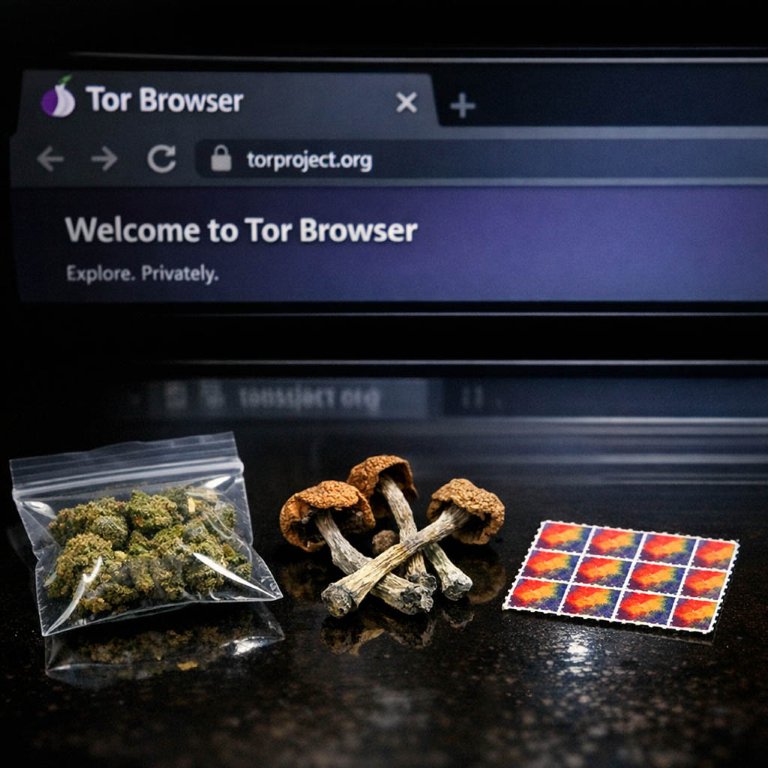
How Reviews and Reputation Build Trust in the Darknet
The decentralized and anonymous nature of darknet markets necessitates a robust system of trust that replaces traditional legal enforcement. This trust is primarily engineered through transparent user feedback and vendor reputation scores, creating a self-regulating economic environment. The architecture of an onion service is fundamental to this, as it provides the necessary anonymity for users to leave candid reviews without fear of personal exposure.
Every transaction culminates in a user review, detailing product quality, shipping speed, and stealth of packaging. These reviews are immutable and linked directly to a verified purchase, preventing fake feedback. Vendors build their reputation over hundreds of transactions, with their score becoming their most valuable asset. A vendor with a high score and many completed sales secures more business, while one with consistently poor reviews is quickly marginalized by the market's users. This peer-based accountability system ensures that anonymous commerce does not descend into chaos but follows predictable, quality-driven patterns.
The cryptocurrency escrow system is intrinsically linked to this feedback mechanism. Funds are held in escrow by the market until the buyer confirms satisfactory receipt of the goods. Only then is the vendor paid, and the buyer is prompted to leave a review. This process aligns incentives:
- The vendor is motivated to provide excellent service to receive both payment and a positive review.
- The buyer is assured that their funds are protected until their order is fulfilled as described.
- The market platform itself gains legitimacy and transaction fees from facilitating successful, trusted exchanges.
This ecosystem of reputation and secure transactions fosters a form of organic regulation. It effectively filters out unreliable sellers and rewards consistent, high-quality vendors. The result is a resilient trading platform where privacy and trust are not contradictory but are instead engineered to coexist through technological and social frameworks.
How Darknet Markets Enable Secure Trade
The economic engine of a darknet market is fundamentally enabled by its architecture as an onion service. This technology provides the necessary anonymity for both buyers and sellers to engage in commerce without revealing their physical location or identity. The use of cryptocurrency like Bitcoin or Monero is integral, as it allows for pseudonymous financial transfers that are difficult to trace back to individuals. This combination creates a secure environment for trade.
To facilitate trust in this anonymous setting, markets implement a cryptocurrency escrow system. When a purchase is made, the buyer's funds are held in escrow by the market platform itself. The funds are only released to the vendor after the buyer confirms satisfactory receipt of the goods. This mechanism protects buyers from fraudulent vendors who might not ship products, while also assuring vendors that payment is secured before they dispatch an order. The escrow system is a critical innovation that substitutes for the trust typically provided by legal frameworks in conventional e-commerce.
The economic activity is further regulated by community feedback. After a transaction, buyers leave detailed reviews and ratings on the vendor's profile. A vendor with a long history of positive feedback and successful completed sales builds a high reputation score. This transparent system of user reviews creates a self-policing marketplace where reliable vendors thrive and dishonest actors are quickly identified and marginalized. The entire ecosystem demonstrates a sophisticated, resilient model for free trade, prioritizing participant privacy and transactional security through technological solutions.

How Darknet Markets Keep Your Shopping Private
The foundational architecture of a darknet market is its use of the Tor network and onion services. This technology provides the essential layer of user privacy by encrypting traffic and routing it through multiple volunteer relays, effectively anonymizing the connection between a user's device and the market server. Access is granted via a unique .onion address, which functions as a hidden website not indexed by conventional search engines. This setup ensures that both the physical location of the server and the identity of its visitors are concealed from network observers.
This architectural anonymity directly enables anonymous commerce. Users can browse listings and interact with the platform without revealing their IP address or geographical location. To complete transactions, markets integrate cryptocurrency payments, primarily using privacy-focused coins like Monero or the more common, albeit less opaque, Bitcoin. The decentralized and pseudonymous nature of these currencies complements the network's anonymity, creating a cohesive system for value transfer detached from traditional financial identities.
Trust in this otherwise trustless environment is engineered through the escrow system. When a buyer initiates a purchase, funds are held in a market-controlled cryptocurrency escrow wallet. The seller is notified to ship the product, but they do not receive payment until the buyer confirms satisfactory receipt and releases the funds from escrow. This mechanism protects the buyer from fraud and incentivizes the seller to fulfill their part of the agreement honestly. The entire processfrom browsing on an onion site to the final escrow releaseis designed as a sequential, secure transaction flow that minimizes risk for all participating parties through technological means rather than legal frameworks.
How Darknet Markets Keep Your Trades Safe and Private
The foundational layer of operational security for all participants is the market's architecture as an onion service. This technology routes all traffic through multiple encrypted layers, effectively separating a user's physical location and identity from their activity on the platform. Accessing the market via the Tor browser is the first and most critical step, creating a private channel for commerce.
Transactions are secured through the mandatory use of cryptocurrency, primarily Bitcoin and Monero. These currencies provide pseudonymous payment channels, with Monero offering enhanced privacy through obfuscated transaction details. The financial interaction is further secured by an escrow system. When a buyer places an order, funds are held in escrow by the market until the buyer confirms receipt. This mechanism protects the buyer from fraudulent vendors and incentivizes the seller to fulfill the order satisfactorily to release payment.
Communication within the platform is conducted using internal PGP-encrypted messaging. Buyers and sellers use their respective PGP keys to encrypt sensitive information, such as shipping addresses. This ensures that even the market administrators cannot read the contents, placing control of personal data directly with the users. The combined use of these tools establishes a secure environment for trade:
- Onion routing anonymizes network traffic.
- Cryptocurrency enables private financial transactions.
- Escrow services mediate trust and reduce fraud.
- End-to-end encryption protects communication.
This security model facilitates a resilient trading platform where privacy and transactional certainty are prioritized, allowing for the smooth functioning of anonymous commerce.

How Anonymous Commerce Works in the Darknet
The architecture of darknet markets is fundamentally built on the principle of anonymous commerce. This is achieved by combining two core technologies: onion routing and cryptocurrency. The .onion sites provide the necessary layer of network anonymity, shielding the location of both the marketplace server and its users from surveillance. This allows buyers and sellers to connect without revealing their IP addresses or physical locations, creating a foundational layer of privacy for all transactions.
Financial anonymity is then secured through the use of cryptocurrencies like Bitcoin and Monero. These digital currencies enable peer-to-peer value transfer without the involvement of identifying financial institutions. To further secure transactions and build trust between anonymous parties, markets employ a cryptocurrency escrow system. In this model, the buyer's funds are held in a secure, multi-signature wallet controlled by the market's software. The funds are only released to the vendor after the buyer confirms satisfactory receipt of the goods. This mechanism effectively mitigates the risk of fraud, as it disincentivizes vendors from failing to ship products and buyers from falsely claiming non-receipt.
The entire process forms a self-contained ecosystem for secure trade:
- A user accesses a darknet market via the Tor browser, gaining entry to an .onion address.
- After selecting goods, cryptocurrency is sent to the market's escrow service.
- Following shipment and confirmation from the buyer, the escrow automatically releases the funds to the seller.
This integration of onion services for anonymous access and cryptocurrency escrow for trusted financial settlement creates a resilient platform. It facilitates economic activity based on mutual benefit and cryptographic proof, rather than on personal identification or institutional intermediation. The system's design demonstrates how technological tools can be orchestrated to establish a functional and secure marketplace operating outside conventional regulatory frameworks.
How Darknet Markets Work: Privacy and Secure Trade
The operational foundation of a darknet market is its use of the Tor network and .onion sites. This architecture provides inherent anonymity by encrypting traffic and routing it through multiple volunteer relays, effectively concealing the physical location of both the server and its users. This technical barrier is fundamental, creating a private space for commerce that is resistant to conventional surveillance and takedown attempts.
Transactions within this space are facilitated by cryptocurrencies like Bitcoin and Monero. These digital currencies enable pseudonymous payments without the need for traditional banking infrastructure, which would require personal identification. The public ledger of most cryptocurrencies is addressed by using fresh addresses for each transaction and through privacy-focused coins that obscure transaction details, making financial tracking exceptionally difficult.
To establish trust in an anonymous environment, darknets implement a cryptocurrency escrow system. When a buyer places an order, funds are held in a secure, multi-signature escrow account controlled by the market software. The funds are only released to the vendor after the buyer confirms receipt of the goods. This mechanism protects buyers from fraudulent vendors who might not ship products and protects vendors from fraudulent chargebacks, a common issue in traditional e-commerce. The system is automated and enforced by the platform's code, not by a central, identifiable authority.
The combination of these elementsonion-based hosting, cryptocurrency payments, and automated escrowcreates a resilient and self-regulating platform. It allows for the secure exchange of goods by prioritizing user privacy and transactional security above all else. The ecosystem further stabilizes itself through user review systems, where vendor reputation becomes a critical asset, encouraging reliable service and high-quality products. This model demonstrates a functional, alternative market structure that operates independently of state-sanctioned financial and logistical systems.