Darknet Markets 2026:
The dark web is part of the deep web but is built on darknets: overlay networks that sit on the internet but which can't be accessed without special tools or software like Tor. Tor is an anonymizing software tool that stands for The Onion Router — you can use the Tor network via Tor Browser.
| Darknet Market | Established | Total Listings | Link |
|---|---|---|---|
| TorZon Market | 2022 | 140+ | Onion Link |
| Nexus Market | 2024 | 600+ | Onion Link |
| Abacus Market | 2022 | 100+ | Onion Link |
| Ares | 2026 | 100+ | Onion Link |
| Cocorico | 2023 | 110+ | Onion Link |
Updated 2026-07-28
How Darknet Markets Use Tech for Safe and Reliable Trade
The operational security of darknet marketplaces is fundamentally built upon two technological pillars: cryptocurrency and encryption. These systems work in tandem to facilitate private transactions and protect user anonymity, creating an environment where commerce can proceed with a high degree of perceived safety. Cryptocurrencies like Bitcoin and Monero act as the financial engine. Their decentralized and pseudonymous nature allows for the transfer of value without the direct involvement of traditional financial institutions, which would normally record and report transactions. This provides a layer of financial privacy, as wallet addresses are not inherently tied to real-world identities.
Encryption provides the second, equally critical layer of protection. All communications and transactions on these platforms are secured using strong cryptographic protocols. When a user accesses a marketplace, their connection is routed through the Tor network, which encrypts traffic and obscures the user's location. Furthermore, internal communications, such as messages between buyer and vendor, are protected with end-to-end encryption. This means only the intended recipient can decrypt and read the message, preventing marketplace administrators or external interceptors from accessing the content. This combination ensures that the identities of both parties and the details of their agreement remain confidential.
The integration of these technologies directly supports reliable delivery. Trust is established not through personal familiarity but through automated systems. Escrow services hold the buyer's cryptocurrency payment in a secure third-party account until the product is received and confirmed. This mechanism protects the buyer from fraud and incentivizes the vendor to fulfill the order promptly and accurately. The transaction's success is then recorded in a public feedback and rating system, which builds a vendor's reputation over time. A vendor with consistently high ratings for stealth packaging and delivery success becomes a trusted entity within the network, and their business flourishes as a direct result of this user-driven validation. The entire model demonstrates a self-regulating ecosystem where technological privacy tools enable and reinforce a system of commercial reliability.
How Crypto and Encryption Make Darnet Drug Trade Safe and Private
Darknet marketplaces rely on cryptocurrency as the exclusive payment method, primarily using Bitcoin and Monero. These digital currencies provide a necessary layer of financial privacy because transactions are recorded on a public ledger without directly linking to real-world identities. To enhance anonymity, users employ tumbling services or built-in market mixers that obfuscate the trail of funds, making financial tracking exceptionally difficult.
This financial privacy is complemented by robust encryption. All communications between buyers and sellers, including order details and shipping addresses, are secured using PGP encryption. This ensures that only the intended recipient can read the message, protecting the transaction's operational details from interception. The marketplace itself operates as a trusted intermediary, holding funds in escrow until the buyer confirms successful delivery. This system financially incentivizes vendors to fulfill orders reliably.
The transaction model integrates these elements into a coherent process:
- A buyer funds their market account with anonymized cryptocurrency.
- Orders are placed using encrypted addresses and details.
- Funds are held in escrow by the market's automated system.
- Upon delivery confirmation, the escrow releases payment to the vendor.
- Both parties leave encrypted feedback, building a reputation system that rewards honest participants.
This combination of decentralized currency, strong encryption, and algorithmic escrow creates a self-regulating environment. It facilitates private commerce by technically mitigating risks of fraud and exposure, allowing for the discreet procurement and distribution of controlled substances based on demonstrated vendor reliability rather than geographic proximity.
How Encryption Keeps Darknet Drug Trade Safe and Private
Encryption is the fundamental technology that enables private transactions on darknet marketplaces. It functions at multiple levels to create a secure environment for purchasing controlled substances. The process begins with the user's connection to the platform itself, which is routed through the Tor network. This system encrypts internet traffic in layers, obscuring the user's physical location and IP address from network observers.
Once a secure connection is established, the marketplace platform employs end-to-end encryption for all communications. This means that messages between a buyer and a vendor are scrambled and can only be deciphered by the intended recipient. Not even the marketplace administrators can read the contents, which typically include order details and shipping addresses. This layer protects the operational security of both parties.
For financial transactions, cryptocurrency like Bitcoin or Monero is used. While Bitcoin transactions are recorded on a public ledger, they are not directly linked to real-world identities. More privacy-focused coins like Monero use advanced cryptographic techniques to obfuscate the sender, receiver, and amount of every transaction. Funds are held in a multisignature escrow system until the buyer confirms satisfactory delivery. This escrow is managed by smart contracts, releasing payment automatically upon completion, which minimizes the need for trust and reduces fraud.
The combination of these encrypted systems creates a reliable framework:
- Tor protects access and anonymity.
- End-to-end encryption secures private communication.
- Cryptocurrency enables pseudonymous financial transfer.
- Escrow automates and secures the fulfillment process.
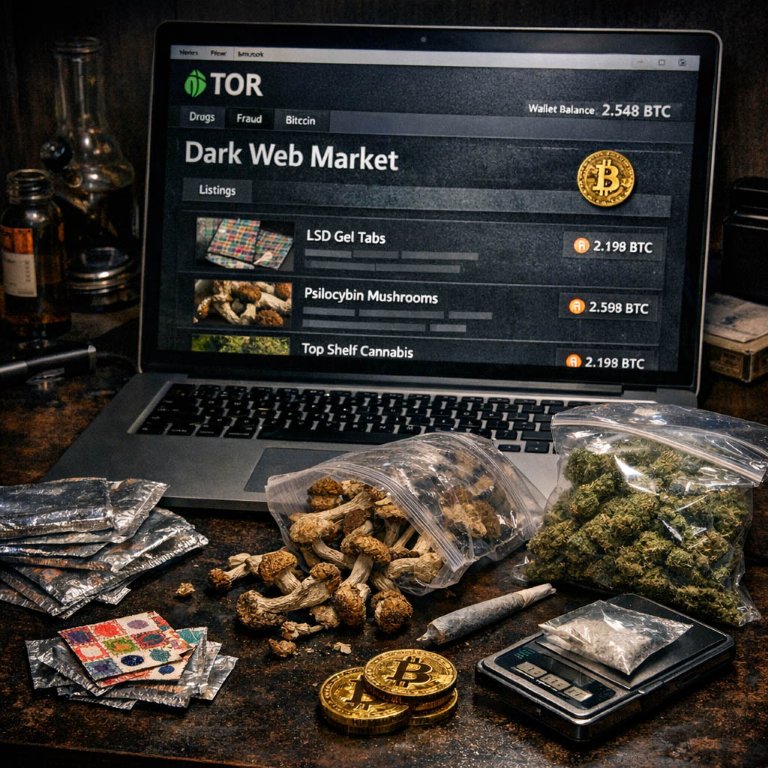
How Feedback Builds Trust for Safer Darknet Purchases
The foundation of a functional marketplace on the darknet is trust, which is established and maintained through a transparent, user-driven feedback system. Unlike traditional anonymous interactions, these platforms implement a structured review process where buyers rate their experience with vendors after each completed transaction.
This system creates a self-regulating environment. Vendors with consistently high ratings and positive reviews gain a reputational score, which is publicly displayed on their storefront. This score serves as a primary metric for new buyers assessing reliability. The feedback typically includes detailed comments on:
- The accuracy of the product description and its quality.
- The speed and discretion of the shipping process.
- The professionalism and communication of the vendor.
This mechanism effectively reduces fraud by holding vendors accountable to the community. A vendor with poor feedback finds it difficult to attract future business, creating a powerful economic incentive for honest conduct. The feedback system transforms a potentially risky anonymous transaction into a calculated decision based on collective, verified experience.
How Escrow Makes Darknet Deals Work
Escrow services function as the trust mechanism that enables reliable transactions on darknet marketplaces. The process begins when a buyer sends cryptocurrency to a multisignature escrow wallet, which requires two or three private keys to release the funds. This wallet is controlled by the buyer, the vendor, and the marketplace administrator. The vendor only ships the product after seeing the cryptocurrency is secured in this neutral wallet, which provides a guarantee of payment.
The system progresses to the delivery phase. Upon receiving the product, the buyer confirms this on the platform, triggering the release of funds from escrow to the vendor. If the product does not arrive or is not as described, the buyer can open a dispute. The marketplace administrator then acts as an arbitrator, reviewing communication and evidence before deciding to release the funds to the vendor or refund them to the buyer. This dispute resolution framework incentivizes honest conduct from both parties, as a vendor's reputation and revenue depend on successful, dispute-free sales.
This escrow model directly supports reliable delivery by aligning financial incentives with transactional honesty. It transforms an anonymous environment into a functional marketplace where enforced accountability replaces traditional legal contracts. The result is a self-regulating system where successful delivery is the most probable outcome for all economically rational participants.

How Cryptocurrency and Encryption Make the Darknet Work
The operational model of darknet marketplaces is fundamentally enabled by the integration of cryptocurrency and encryption. These technologies work in tandem to create a secure environment for transactions that prioritize user privacy and transactional reliability.
Cryptocurrencies like Bitcoin and Monero are the primary payment methods. They function without the need for traditional banking infrastructure, allowing for pseudonymous transfers of value. While Bitcoin transactions are recorded on a public ledger, tools like coin mixers are used to obscure the trail. Monero provides stronger inherent privacy by concealing sender, receiver, and transaction amount on its blockchain. This financial layer ensures that payments cannot be easily linked to a real-world identity.
Encryption protects all communications and operational data. The platforms themselves are accessed via the Tor network, which encrypts and routes traffic through multiple relays. Within a marketplace, every message between a buyer and a vendor is secured with PGP encryption, making it readable only by the intended recipient. This prevents interception of sensitive details like shipping addresses.
The process for a secure purchase follows a clear sequence:
- A buyer accesses the marketplace via Tor and funds their account wallet with cryptocurrency.
- After selecting a product, the buyer encrypts their delivery address using the vendor's public PGP key and submits the order.
- Funds are held in a platform-managed escrow service, protecting the buyer from non-delivery.
- Upon confirming receipt, the escrow releases the payment to the vendor.
- Both parties then leave feedback, which builds a reputation system essential for trust and quality control within the network.
This combination of cryptographic payment systems and communication encryption establishes a self-regulating ecosystem. It minimizes risks for participants by ensuring anonymity and enforcing honest conduct through decentralized feedback and secured financial guarantees.
How Darknet Markets Work: Secure and Reliable Trade
The operational model of darknet marketplaces is a sophisticated integration of financial and cryptographic technologies designed to facilitate secure commerce. At its core, the system relies on cryptocurrency, primarily Bitcoin and Monero, to process payments. These digital currencies provide a layer of financial anonymity by severing the direct link between a transaction and a user's real-world identity. Transactions are recorded on a public ledger, but the parties involved are represented only by alphanumeric wallet addresses.
This financial privacy is reinforced by robust encryption. All communications on a marketplace, from browsing listings to finalizing a deal, are conducted over the Tor network and protected by end-to-end encryption. This ensures that messages between buyer and vendor cannot be intercepted or read by third parties. The marketplace itself operates as a trusted intermediary that never holds the unencrypted content of these communications.
The transaction process is structured to build trust and ensure reliable delivery:
- A buyer selects a product and sends the cryptocurrency to a multi-signature escrow account controlled by the marketplace.
- The vendor is notified and ships the product. The escrow system protects the buyer by withholding payment until confirmation of delivery.
- Upon receipt, the buyer finalizes the transaction, releasing the funds from escrow to the vendor.
- Both parties then leave feedback, creating a transparent reputation system that rewards honest vendors and informs future purchases.
This model creates a self-regulating ecosystem where anonymity is preserved, yet accountability is maintained through cryptographic trust mechanisms and community-driven reviews. The efficiency and security of this system have established it as a resilient framework for private e-commerce.